

Price Comparison: Wellcome vs PARKnSHOP vs Local Shops
We compared 30 common groceries across three store types. You’ll be surprised which items are actually cheaper at supermarkets.
Read Guide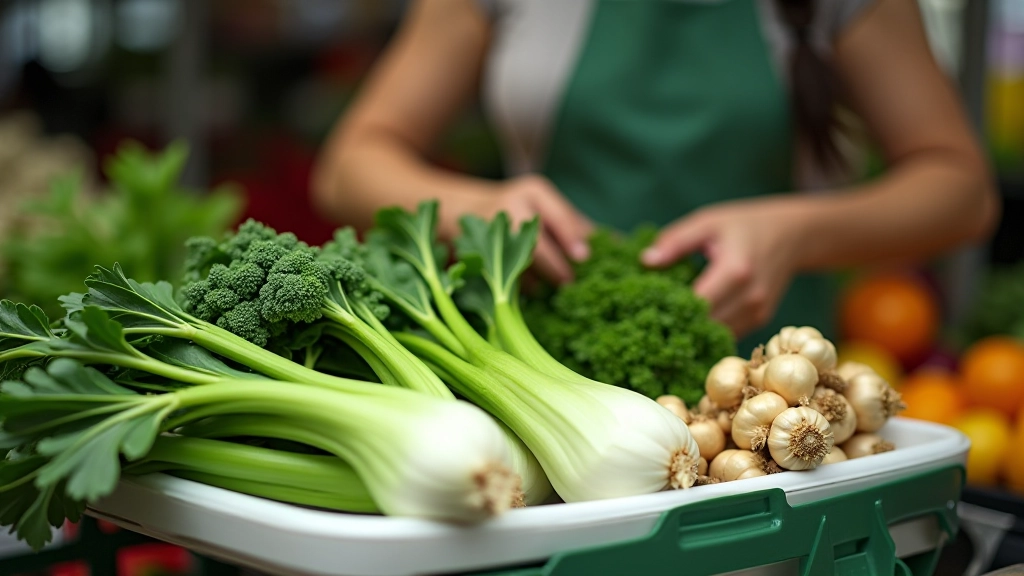
Month-by-month guide to the cheapest, freshest vegetables available. Learn what to buy when and why prices vary.

Hong Kong’s wet markets aren’t just cheaper than supermarkets — they’re also where you’ll find the freshest produce. But here’s the thing: what’s abundant and affordable changes every few months. When vegetables are in season, they’re plentiful, fresher, and cost significantly less.
We’ve tracked wet market prices across the entire year. You’ll notice patterns emerge. Spring brings leafy greens and bamboo shoots at their lowest prices. Summer floods the markets with long beans and bitter melon. Autumn is when root vegetables become incredibly affordable. Winter transforms everything with cabbage, turnips, and cold-weather favorites dominating the stalls.
Understanding these seasonal rhythms can cut your weekly produce budget by 30-40%. That’s not an exaggeration. We’ve seen families shift from spending HK$150-200 on vegetables weekly to consistently paying HK$90-120 just by shopping seasonally and knowing when prices dip.
Peak season produce costs 40-60% less than off-season. A single family shopping strategically saves HK$2,000-3,000 annually on vegetables alone.
Spring is when your wet market becomes an absolute bargain hunter’s paradise. Leafy greens are everywhere — choi sum, gai lan, and bok choy flood the stalls at rock-bottom prices. You’ll find bundles of 3-4 portions for HK$15-20 during peak spring weeks.
This is the season to load up. Buy multiple bunches, freeze portions, and use them throughout the month. Bamboo shoots become incredibly cheap too — fresh bamboo in spring costs half what you’ll pay in winter. Fresh peas, spring onions, and tender shoots appear that simply don’t exist as cheaply at other times of year.
Pro tip: Arrive early (before 9am) and you’ll catch the best prices. Vendors often offer discounts on greens that’ve been sitting since morning. Don’t hesitate to negotiate — most wet market vendors expect it, especially for bulk purchases.
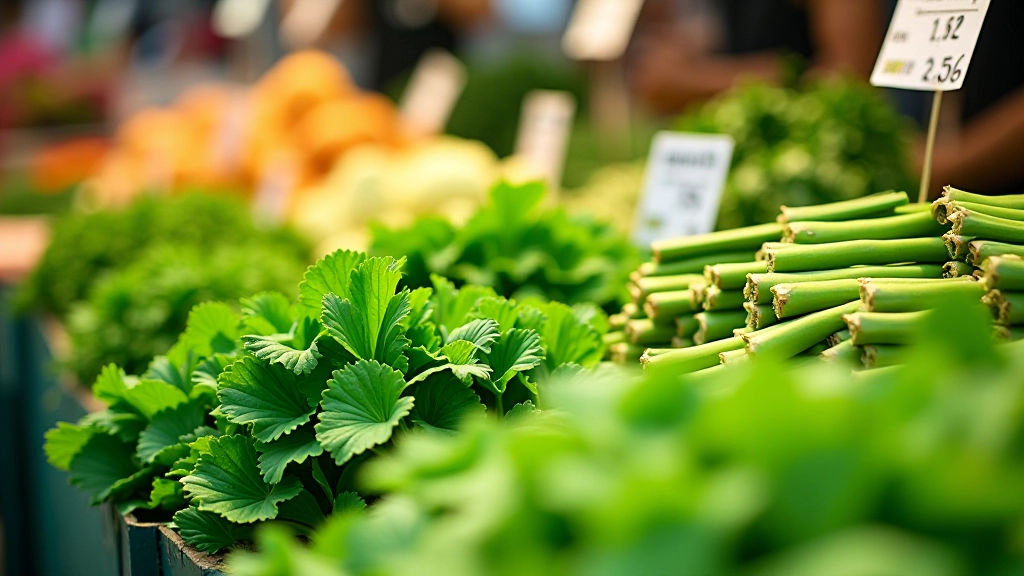
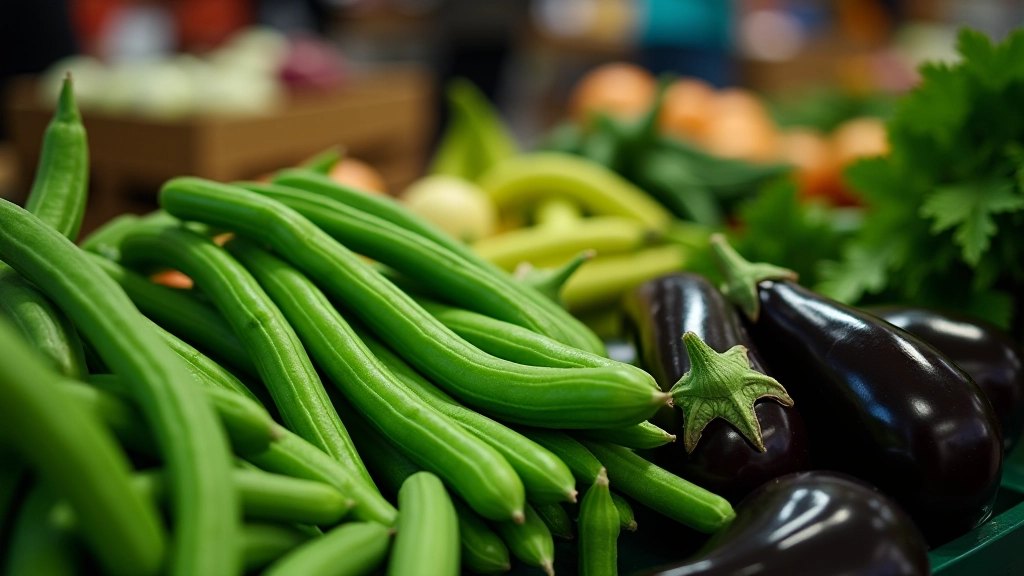
Summer brings a completely different vegetable palette. Long beans become incredibly cheap — we’re talking HK$15-25 per pound for perfectly fresh stock. Bitter melon, okra, eggplant, and various melons flood the markets. This is also when you’ll find the most variety of mushrooms at competitive prices.
What’s interesting about summer is that while prices are low, the selection is narrower than spring. You won’t find the same leafy greens variety. But what you do find — long beans, bitter melon, winter melon — are incredibly abundant and affordable. One family we tracked spent just HK$95 per week on vegetables throughout July, buying whatever looked freshest.
Summer Strategy: Stock up on items that freeze well like long beans and okra. Cook and freeze them in portions — they’ll keep quality for 2-3 months and give you access to summer prices during expensive seasons.
Don’t overlook melons in summer. Winter melon and bitter melon are dirt cheap — HK$20-30 for a whole melon. One melon feeds a family for 3-4 meals. The cost per serving becomes almost negligible.


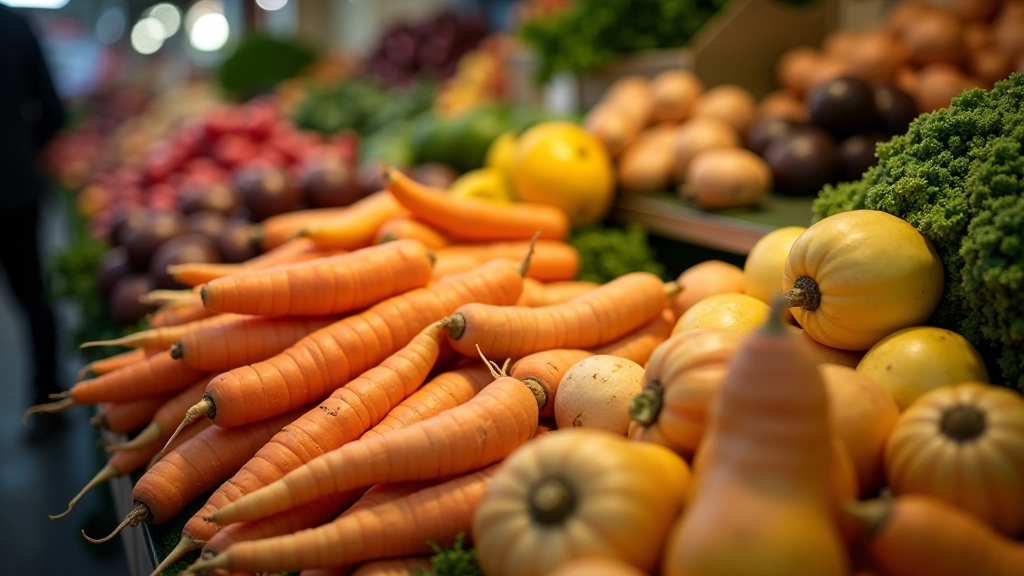
Autumn is when root vegetables become the star of wet markets. Carrots, turnips, radishes, and various squashes arrive in abundance. This season offers something spring and summer don’t — consistent variety combined with genuinely low prices. You’re not just getting cheaper vegetables; you’re getting excellent quality storage crops.
What makes autumn special is that root vegetables keep well. Buy a large quantity at the beginning of the season and you’ll have fresh produce lasting weeks in your fridge. A HK$50 purchase of mixed root vegetables can easily feed a family for 7-10 days of cooking.
Chinese cabbage appears in autumn and prices drop dramatically by October. Fresh mushrooms of many varieties are abundant. Taro, water chestnuts, and lotus roots become incredibly affordable. If you’re planning to do batch cooking, autumn is your sweet spot — everything is fresh, cheap, and stores beautifully.
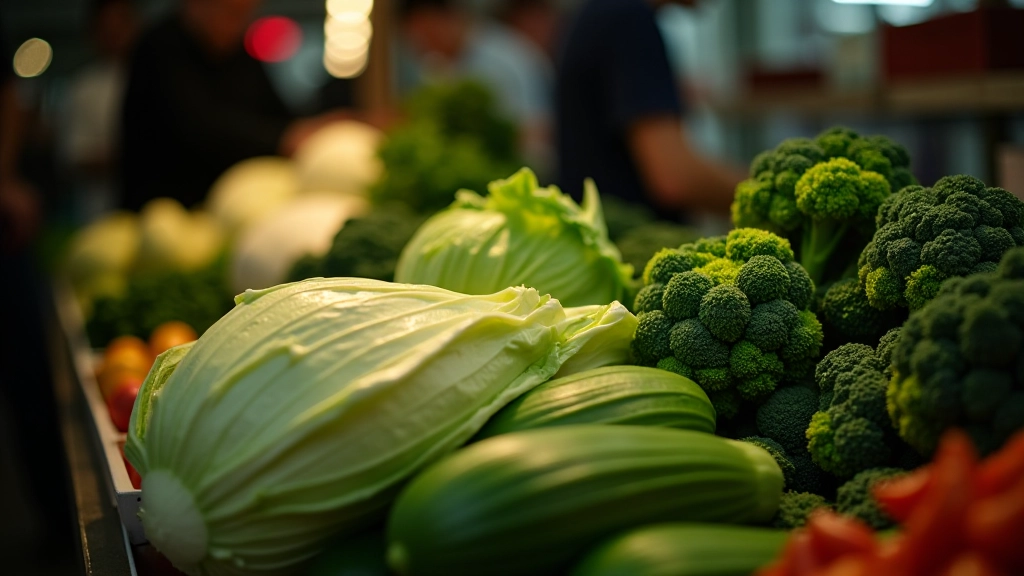
Winter brings cabbage in massive quantities at remarkably low prices. Chinese cabbage, regular cabbage, and preserved vegetables dominate the stalls. It’s not the most exciting season for vegetable variety, but it’s genuinely the cheapest. Families we tracked spent the lowest amounts during January and February — averaging just HK$85 per week.
What’s important to understand: winter prices are low because supply is abundant. Cold-weather storage vegetables thrive during these months. Don’t fight the season — embrace cabbage, turnips, and root vegetables. A single cabbage feeds a family for 4-5 meals. The cost per serving is minimal.
Winter is also when you’ll find excellent deals on stored root vegetables — they’ve been in storage since autumn and vendors want to clear them. Quality remains good, but prices drop significantly in late January and February.
This guide reflects price patterns and seasonal availability in Hong Kong’s wet markets as of 2026. Prices vary significantly between different markets, locations, and individual vendors. Weather patterns, import regulations, and local harvests can affect seasonal timing and pricing. Use this calendar as a general reference for planning, but always check current prices at your local wet market. The strategies and estimates provided are based on tracking data and household experiences — your actual savings may vary based on shopping habits, location, and vendor relationships.
You now know what’s actually cheap at Hong Kong’s wet markets month by month. The next step is simple: print this calendar, post it on your fridge, and reference it when planning your weekly shopping trips.
Here’s what actually works: Pick 3-4 vegetables that are in peak season this month. Build your meal plans around them. Stop buying expensive out-of-season produce. That’s it. You don’t need complicated meal planning or fancy strategies — just align your shopping with what’s abundant.
Start tracking your own spending. Note what you paid for vegetables this month. Next month, compare. You’ll probably notice the difference immediately. Families who shop seasonally consistently report 30-40% reductions in their vegetable spending within the first month of intentional shopping.
Seasonal shopping isn’t just about saving money — it’s about eating fresher produce. Peak season vegetables are at their nutritional peak and genuinely taste better. You’re getting better food for less money. That’s the real win.
Learn how to compare prices across Wellcome, PARKnSHOP, and local shops to maximize your savings even more.
Explore Price Comparison Guide