
Questions About Smart Shopping?
Find answers to common questions about grocery budgeting, wet market shopping, and meal planning in Hong Kong.
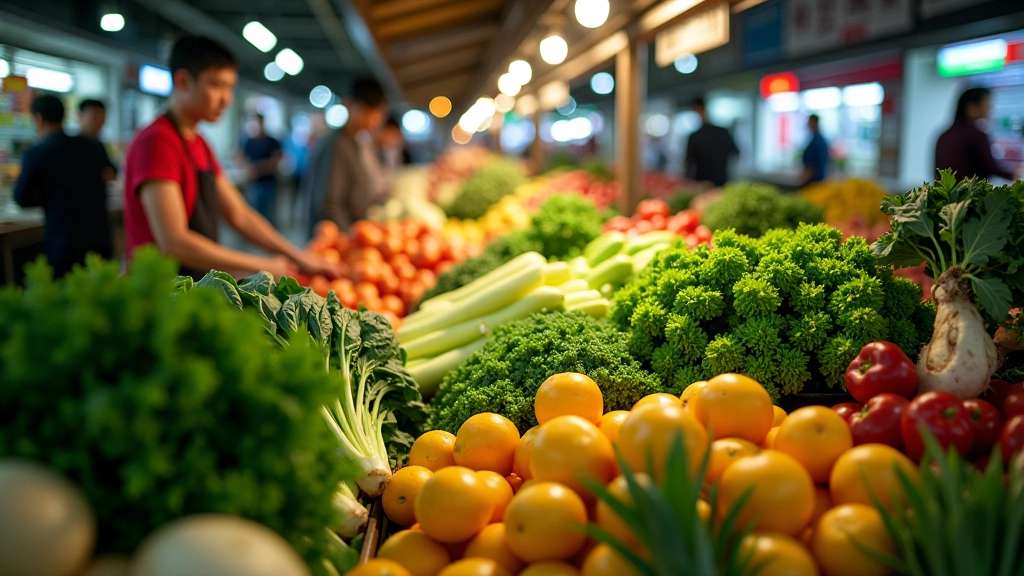
Most Hong Kong households save 20–35% on fresh produce by shopping at wet markets instead of supermarkets, especially for seasonal items like leafy greens, root vegetables, and local fruits. The savings are even bigger when you buy directly from vendors who offer bulk discounts—you could spend HK$300–400 weekly instead of HK$500–600 at Wellcome or PARKnSHOP. Plus, you get fresher products that last longer in your fridge.
Absolutely—prices shift weekly, especially on seasonal produce and packaged goods. By spending 10 minutes comparing 10–15 regular items you buy, you’ll spot patterns (like when PARKnSHOP discounts meat on Tuesdays or when Wellcome has loyalty promotions). This alone saves most families HK$200–400 per month without changing what you eat.
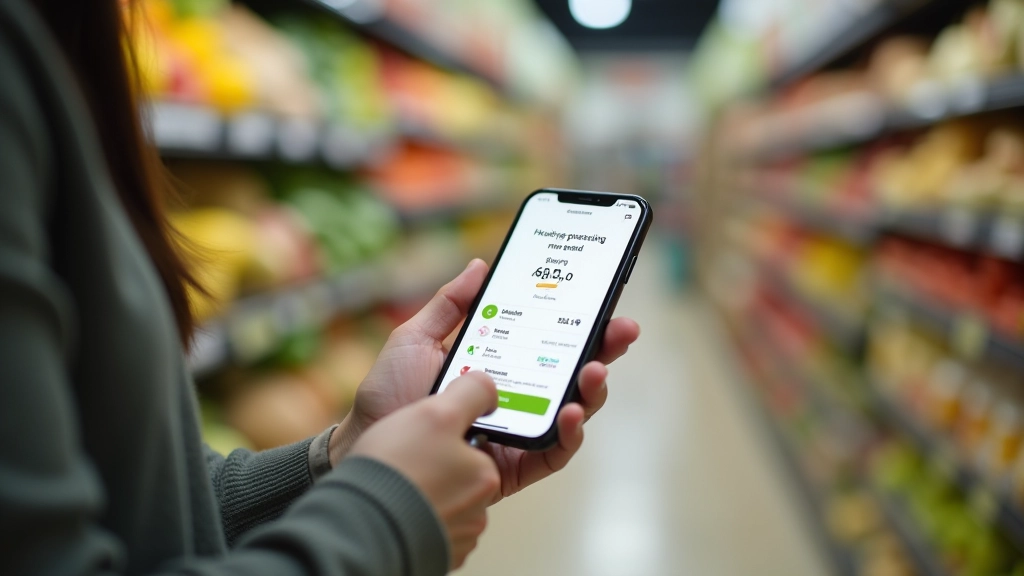
Start by downloading Wellcome’s and PARKnSHOP’s official apps, then set up push notifications for weekly deals on items you buy regularly. Use platforms like Kimberly and 點賣 to find digital coupons—stack them with loyalty points to maximize savings. We recommend reviewing new coupons on Sunday evening to plan your week’s shopping around what’s discounted.
Start with our seasonal produce calendar for Hong Kong—it shows you what’s cheap and fresh each month. Then pick 2–3 simple recipes per season (like stir-fries, soups, or side dishes) that work with whatever’s available. You’ll save money because seasonal produce costs 40–50% less, and eating seasonally actually tastes better since produce is fresher and locally grown.
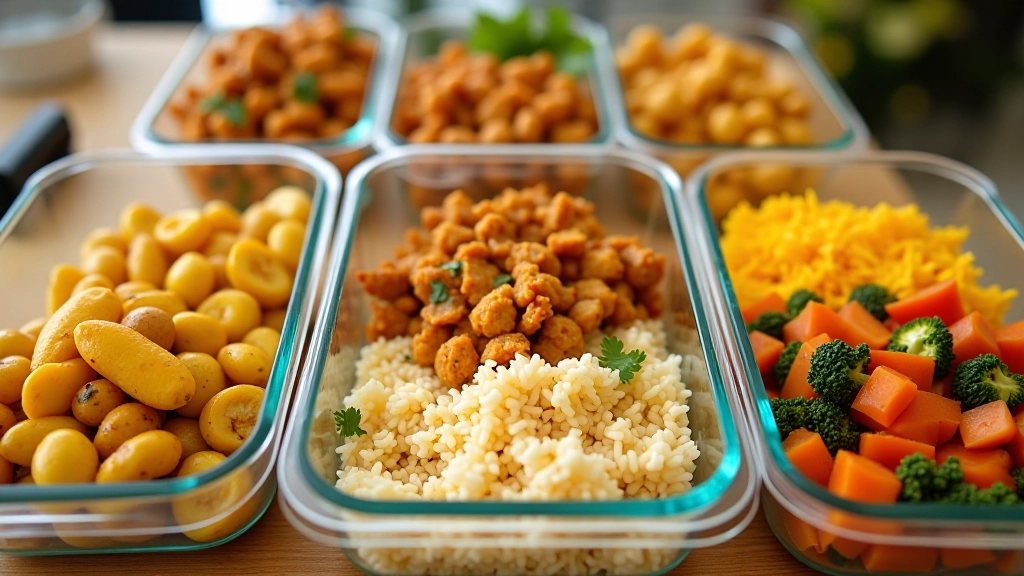
Yes—if you spend 2–3 hours on Sunday cooking 3–4 large portions of curry, rice dishes, or stir-fries, you’ll have ready meals for 3–4 weeknights. Most families spend HK$60–100 per person on takeaway meals, while a batch-cooked meal costs only HK$20–30 per person. That’s HK$400–600 saved per family per month, plus you control sodium and portions better.
Keep a simple spreadsheet or use a budgeting app like YNAB or Spendee—record what you buy, where, and how much weekly. After 4–6 weeks, you’ll see exactly which items expire unused, which shops you overspend at, and when you rely on takeaway. This data helps you adjust shopping lists, portion sizes, and meal plans to reduce waste by 15–25% monthly.
Still have questions?
Our team is here to help you build a smarter grocery shopping routine tailored to your household.
Get in touch